
Blank RFID cards are not just plain white cards. For a reliable access, membership, hotel, campus, or payment-related card project, the buyer has to specify the chip, frequency, card material, printing method, encoding data, and sample test plan before mass production. If those details are left vague, the finished card may look acceptable but fail at the reader, print poorly, or arrive with data that does not match the system.
This guide explains what to confirm before ordering custom RFID cards, especially blank PVC cards that will be printed, encoded, or personalized later. Use it as a quote-preparation checklist before you ask a supplier for samples.
What are blank RFID cards?
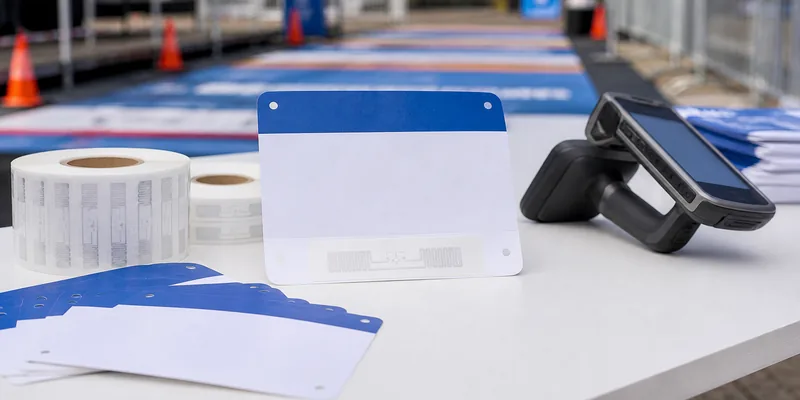
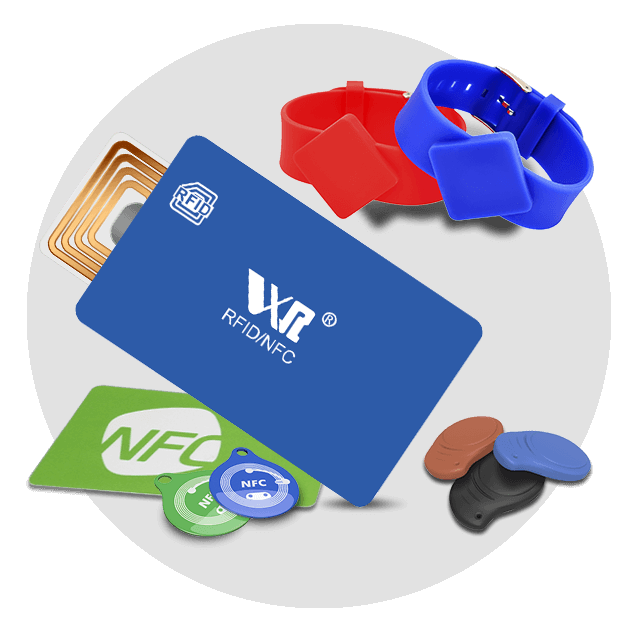
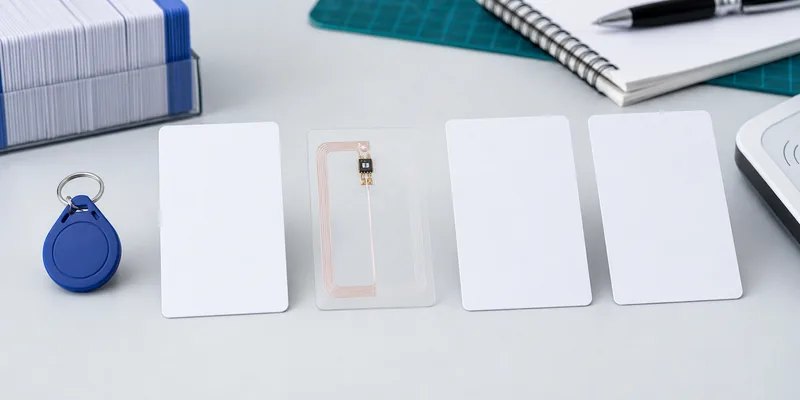
Blank RFID cards are card bodies with an embedded RFID or NFC chip and antenna, usually supplied without visible artwork. They may be plain white PVC cards, printable cards for card printers, or pre-produced smart cards ready for later logo printing, UID printing, QR codes, serial numbers, or data encoding.
The word “blank” can mean different things. Some buyers mean a completely white printable card. Others mean a non-printed card that is already encoded. Some need a contactless chip card with a magnetic stripe, signature panel, or barcode. Before requesting a quote, define exactly which version you need.
Start with the reader system, not the card design
Artwork matters, but compatibility comes first. The reader system determines whether the card should use LF, HF, NFC, or another format. For many access control and hotel projects, buyers already have installed readers, software, and card management rules. In that case, the safest starting point is the chip or card type currently accepted by the system.
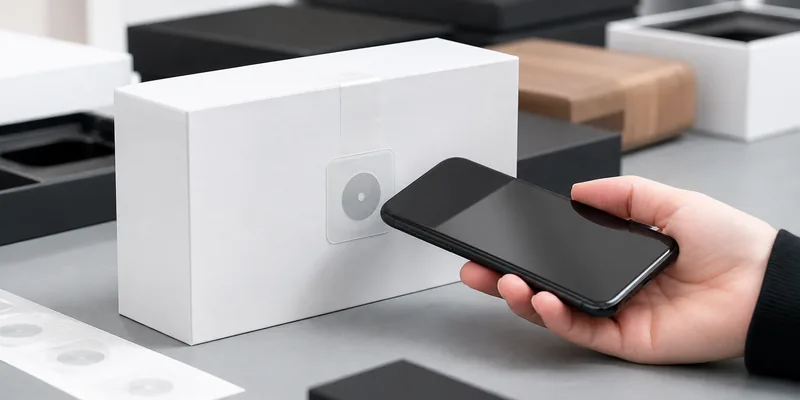
If the project is new, confirm the operating frequency before choosing a card. LF 125 kHz RFID cards are commonly used for simple close-range ID applications. HF 13.56 MHz RFID cards and NFC cards are used for many smart card, membership, hotel, and phone-interaction projects. UHF cards exist, but they are less common for normal wallet-style access cards and need more careful reader and orientation testing.
Specify the chip and memory requirements
Do not ask only for an “RFID card” or “NFC card.” That leaves too much room for mismatch. Instead, state the chip family or required protocol when known. For example, a buyer may need MIFARE Classic, MIFARE DESFire, NTAG213, NTAG215, NTAG216, TK4100, EM4100, or another chip type depending on the reader and application.
If you are replacing an existing card, send the supplier the readable chip information, not private system credentials. If your software integrator provides the chip requirement, use that exact name in the purchase request. WXR can help compare card formats, but the final chip choice should match the actual reader and access control software. For chip-selection background, see WXR’s guide on how to choose an RFID MIFARE chip.
Decide how the blank card will be printed
A blank RFID card may be printed by the supplier, printed by the buyer, or kept unprinted for later personalization. Each route has different risks.
| Printing route | Best fit | What to confirm before ordering |
|---|---|---|
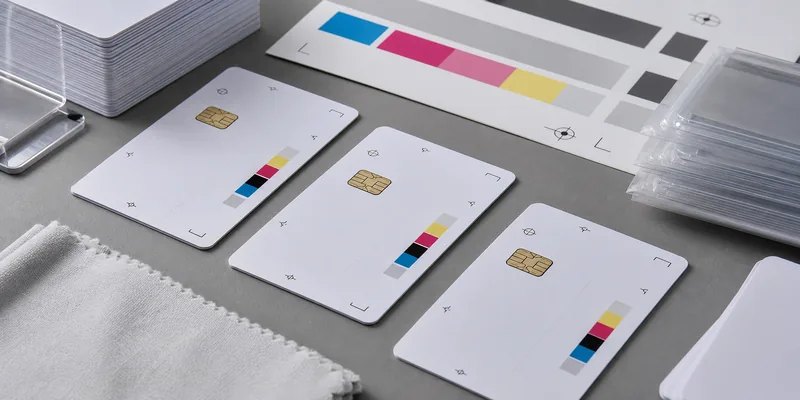
| Supplier offset or silkscreen printing | Brand cards, hotel cards, membership programs, repeat designs | Artwork file, color tolerance, surface finish, chip position, sample approval |
| Digital printing by supplier | Short runs, variable serial numbers, QR codes, fast design changes | Numbering logic, data file format, print durability, card surface |
| Inkjet or desktop card printing by buyer | In-house personalization and small batches | Printer compatibility, printable coating, drying time, smudge resistance, edge coverage |
| No printing | System testing, internal cards, later local printing | Chip type, UID format, packaging, card thickness, encoding status |
For inkjet PVC cards, the coating matters. A normal glossy PVC card may not accept ink the same way as an inkjet-printable card. If the card will be printed in-house, ask for samples and test the exact printer, ink, drying time, and handling process before approving a bulk order.
Confirm encoding before production
Many card problems are data problems, not card-body problems. Before mass production, confirm whether the cards should ship blank, UID-only, or pre-encoded with a defined data structure. If WXR or another supplier will encode cards before shipment, provide a clear encoding file and explain which fields are fixed, variable, locked, or left writable.
For NFC cards, confirm whether the card needs an NDEF URL, vCard, app link, or another record. For access cards, confirm whether the system uses UID, sector data, encrypted keys, facility codes, card numbers, or a separate enrollment process. Do not share secret keys in a general purchase email; coordinate sensitive system credentials through the integrator’s approved process.
Check card body details that affect daily use
Most blank RFID cards look similar in a product photo, but small body details can change user experience and durability. Confirm the card size, thickness, corner radius, surface finish, chip position, antenna layout, and whether extra features such as a magnetic stripe, signature panel, barcode, QR code, punched slot, or matte surface are needed.
Standard card thickness is often chosen for compatibility with wallets and card printers, but do not assume it without confirming. If the card will be used in a lanyard, check whether a slot punch could damage the antenna. If it will be used near a phone case, metal holder, or reader with a tight enclosure, test the real use condition before approving final production.
Use a sample test plan before bulk orders
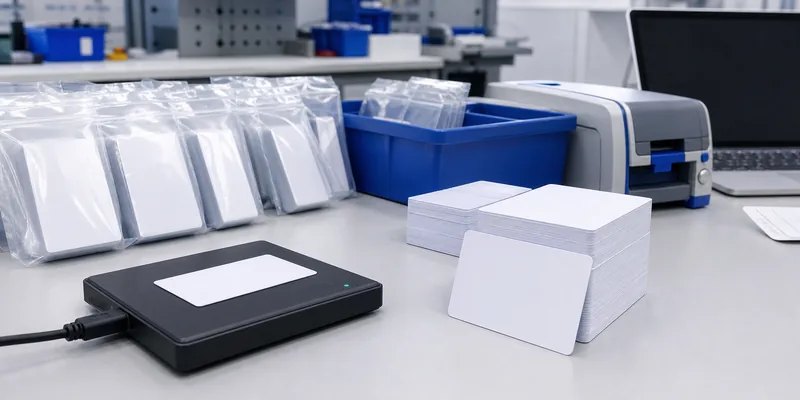
Samples should answer practical questions, not only prove that a card can be read once. Test the card with the actual reader, software, printer, artwork, encoding format, and user workflow. A good sample test includes:
- Reader compatibility on every reader model used in the project
- Read position and read speed in the normal user workflow
- Encoding verification with the target software or enrollment process
- Print alignment, color, drying, and scratch checks after handling
- Card thickness and flexibility checks for wallets, holders, or dispensers
- Packaging and numbering checks for distribution to users
What to send WXR for a faster quote
To quote blank RFID cards accurately, WXR needs the project details that affect material, chip, printing, and encoding. A clear request should include the application, reader system, chip requirement, card size and thickness, printing method, artwork status, encoding needs, quantity, packaging preference, and sample deadline. If you are not sure which chip fits, share the reader model, existing card type, and target use case so the WXR team can suggest practical options.
For broader background, read what an RFID card is and the difference between NFC and RFID. When you are ready to compare samples, contact WXR with your card specification and testing requirements.
FAQ
Can blank RFID cards be printed with a desktop card printer?
Yes, but only if the card surface and printer are compatible. For inkjet printing, ask for inkjet-printable PVC card samples and test drying, smudging, edge coverage, and color before ordering in volume.
Should I choose LF, HF, NFC, or UHF for a blank RFID card?
Choose the frequency that matches the reader system. LF is often used for simple close-range ID, HF and NFC are common for smart cards and phone-related uses, and UHF needs project-specific testing because read behavior depends heavily on antenna setup and orientation.
Can WXR encode RFID cards before shipping?
WXR can support card encoding when the buyer provides the chip requirement and approved data format. Confirm which data should be written, locked, or left editable before production.
What is the main mistake buyers make with blank RFID cards?
The common mistake is approving the card design before confirming chip compatibility and encoding rules. A card can look correct and still fail if the chip, data format, or reader workflow is wrong.
What should I test before mass production?
Test the actual reader, software, printer, artwork, encoding file, card holder, and user workflow. If any of those change after sample approval, repeat the affected tests before ordering the full batch.
Schema recommendation: Article + FAQPage. The FAQ questions above are visible on the page and can support FAQPage schema if the SEO plugin allows it.