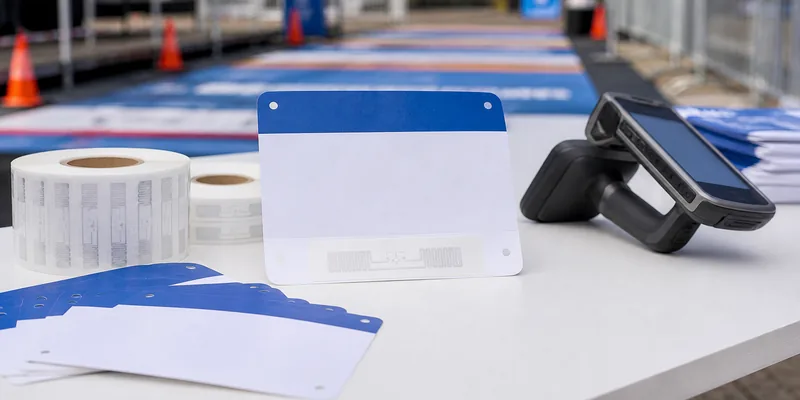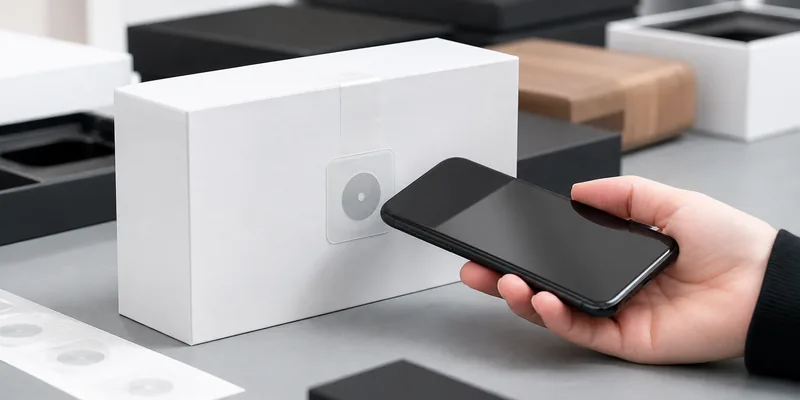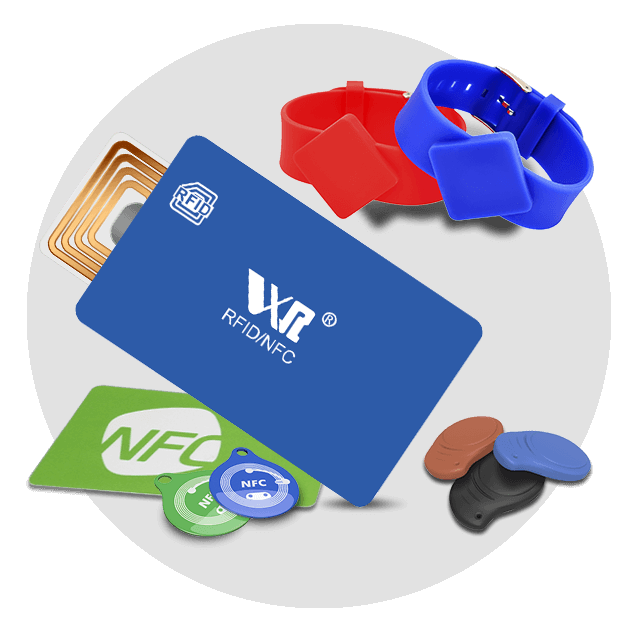

RFID coin tags are small round RFID or NFC tokens used for access control, games, membership, product authentication, asset ID, smart packaging, and tap-to-open content. The chip and antenna make the tag work. The printing method decides how the tag looks, how easy it is to identify, and whether each piece can carry a unique number or QR code.
The main choice is usually silkscreen, offset, or inkjet printing. Each works for a different job: solid logo, full-color artwork, or unique serial data.
Quick Verdict: Which Printing Method Should You Choose?
Choose silkscreen printing for simple logos, solid colors, rugged surfaces, and smaller batches where color density matters more than photo detail. Choose offset printing for fixed full-color artwork in larger quantities, especially on flat PVC or laminated surfaces. Choose inkjet printing for variable data such as serial numbers, UID mapping, QR codes, barcodes, or batch codes.
For many custom RFID coin tags, the best answer is not one method. A common production plan is offset or silkscreen for the fixed brand design, then inkjet for the variable number, QR code, or encoded-data reference.
RFID Coin Tags Printing Comparison Table
| Printing method | Best for | Strengths | Limits | Buyer check |
|---|---|---|---|---|
| Silkscreen | Solid logos, icons, spot colors | Strong ink coverage, good for simple artwork | Not ideal for photos, gradients, or many colors | Confirm Pantone color, surface material, curing, and scratch resistance |
| Offset | Fixed full-color artwork, larger batches | Good CMYK detail and repeated color consistency | Not suitable for unique data on every tag | Confirm artwork file, bleed, safe zone, color proof, and quantity |
| Inkjet | Serial numbers, QR codes, UID text, batch data | Supports variable data and personalization | Adhesion and resolution depend on surface and ink system | Confirm data file, code size, scan test, and encoded-value mapping |
What Makes RFID Coin Tag Printing Different?
Coin tags have less print space than cards or labels. The surface may be PVC, ABS, epoxy, PPS, anti-metal material, or a laminated face, and the design must fit rounded edges, holes, adhesive backing, or a protective epoxy layer.
The RFID part adds another constraint. For NFC phone interaction, the chip, antenna, material, and final mounting surface all affect the user experience. Define frequency, chip, diameter, material, surface finish, encoding requirement, and variable-data needs before choosing the printing process.
Silkscreen Printing for RFID Coin Tags
Silkscreen printing, also called screen printing, pushes ink through a prepared screen onto the tag surface. For RFID coin tags, it is often used for simple logos, icons, black or white markings, warning symbols, brand colors, and high-contrast designs.
The advantage is ink coverage. A screen-printed logo can look bold on plastic, ABS, silicone, or textured surfaces where delicate full-color processes may struggle. The limit is detail: many colors, shadows, tiny gradients, or photographic artwork can look flat or require too many color passes. For UID text, QR codes, or serial numbers, add inkjet, laser, or another personalization step after the base print.
Offset Printing for RFID Coin Tags
Offset printing is usually better when the artwork is fixed, full-color, and repeated across a larger batch. It fits brand patterns, event designs, membership designs, and smart packaging tokens when the material supports a flat printing workflow.
The tradeoff is flexibility. Offset is built around fixed artwork. If every tag needs a different QR code or serial number, offset alone is the wrong tool. Print the shared design first, then add variable data later.
Inkjet Printing for RFID Coin Tags
Inkjet printing is most useful when the design changes from tag to tag. That includes serial numbers, QR codes, barcodes, batch codes, UID text, URLs, short names, or numbering that must match an encoding file.
This matters when the physical mark and chip data need to match. A buyer may want each NFC coin tag to open a different URL, each access token to show a printed serial number, or each asset tag to carry a QR code that matches an internal database record.
The risk is durability and scannability. A QR code may fail on a 25 mm round tag if it is too small, too close to the edge, or printed on a glossy curved surface without enough contrast.
Best Printing Method by Use Case
For a simple branded access token, choose silkscreen if the design is one or two solid colors. For a full-color promotional NFC coin tag, choose offset for the shared design and consider a protective layer. For individually tracked RFID coin tags, use inkjet for variable data, or combine offset or silkscreen with inkjet numbering. For rugged ABS, epoxy, anti-metal, or special-surface tags, confirm adhesion with samples.
Common Printing Mistakes to Avoid
Avoid four mistakes: choosing the print method before confirming material, making QR codes too small for the coin diameter, asking offset printing to handle unique data, and separating printing from encoding. A method that works on flat PVC may not work the same way on ABS, epoxy, silicone, or anti-metal surfaces. Keep one master data file for printed serial numbers, QR codes, UIDs, encoded values, inspection, and packing.
How WXR Supports Custom RFID Coin Tag Printing
WXR can help buyers compare RFID coin tag material, chip, size, printing method, numbering, QR or barcode printing, and encoding requirements before mass production. Related formats may include NFC tags, RFID cards, 13.56 MHz RFID tags, and small customized RFID tags for access, membership, asset ID, and smart packaging.
For a practical recommendation, contact WXR with your application, tag diameter, material, frequency, chip, artwork, quantity, variable-data file, encoding rules, and testing environment. If the tag will be mounted on metal or used outdoors, say so before sample production.
FAQ
Is silkscreen or offset better for RFID coin tag logos?
Silkscreen is usually better for simple solid-color logos, especially on rugged or special surfaces. Offset is better for fixed full-color artwork when the material and quantity support a larger run.
Can RFID coin tags have unique QR codes or serial numbers?
Yes. Unique QR codes, serial numbers, barcodes, and UID text are usually handled with inkjet, laser, or another variable-data printing process. The printed data should be checked against the chip encoding file.
Does printing affect RFID or NFC performance?
Normal surface printing should not affect performance by itself, but the complete tag construction can. Material, antenna design, adhesive, epoxy, anti-metal layer, and final mounting surface can all affect read performance.
What files should I send for custom RFID coin tags printing?
Send vector artwork, Pantone or CMYK color requirements, tag size, chip requirement, quantity, variable-data spreadsheet, encoding rules, and QR or barcode standards. Also confirm bleed, safe zone, and protective finish.
Conclusion
RFID coin tags printing should be chosen by function, not habit. Silkscreen is strong for simple durable logos. Offset is efficient for fixed full-color designs. Inkjet is the practical choice for variable data.
If the project needs both branding and traceability, combine methods: print the shared artwork first, then add unique numbers, QR codes, or encoded-data references.