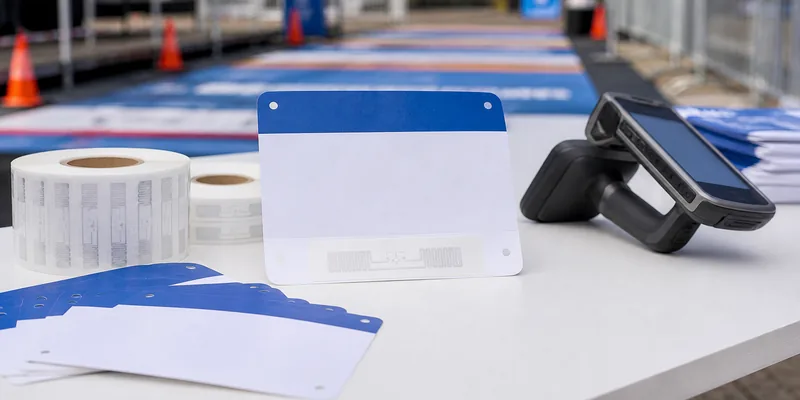
RFID epoxy tags are small, glossy, and easy to underestimate. Problems usually appear after ordering: the chip is incompatible, the resin dome scratches, the hole does not fit the key ring, or the NFC scan fails on the final surface.
A sourcing checklist prevents those mistakes before production. Before a bulk order, verify the application, frequency, chip, material stack, print finish, epoxy quality, encoding, read performance, packing, and supplier QC process. Samples should be tested with your real reader, phone, surface, and workflow.
What Counts as an RFID Epoxy Tag?
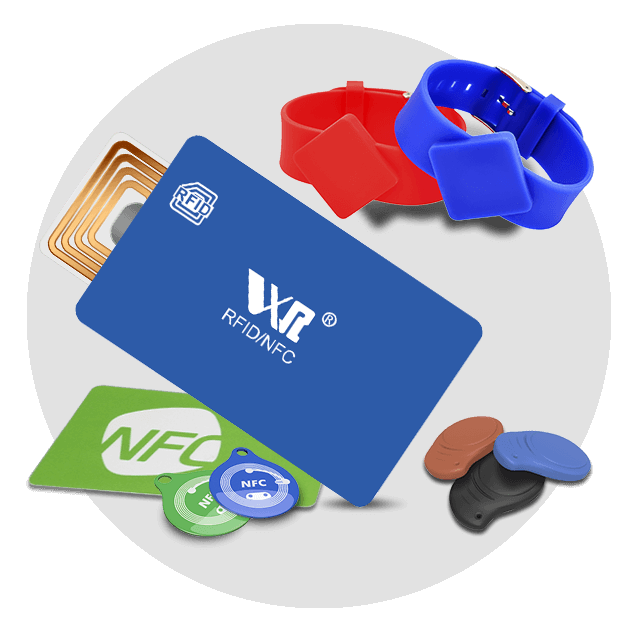
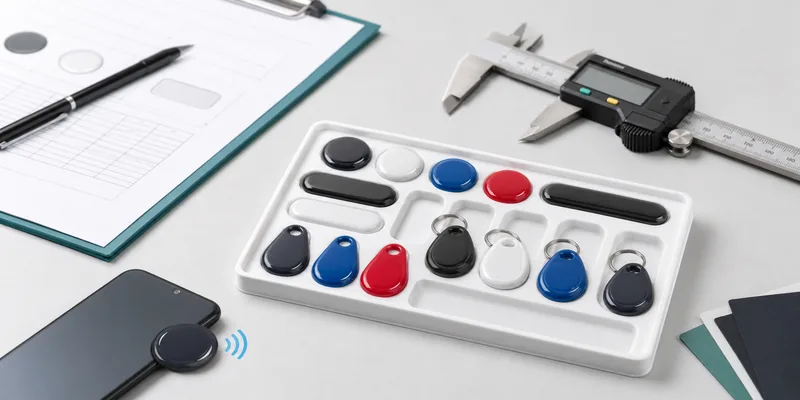
An RFID epoxy tag usually combines an RFID or NFC inlay, a printed PVC or PET face layer, and a clear domed epoxy resin surface. Common formats include logo stickers, luggage tags, pet tags, membership tokens, and RFID epoxy key fobs.
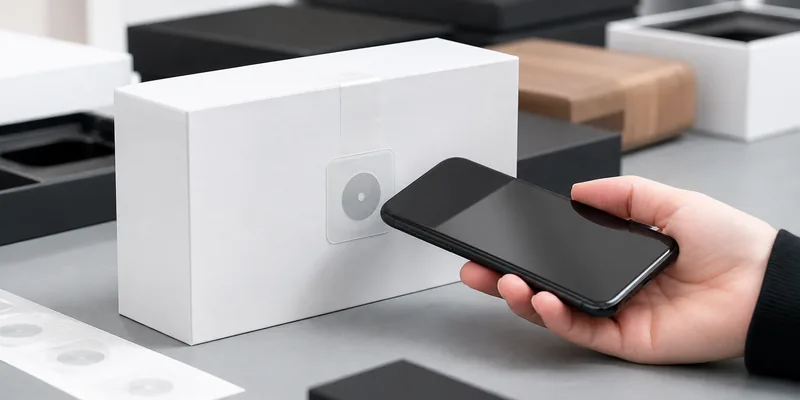
For phone interaction, buyers often choose NFC tags at 13.56 MHz. For door access, gym membership, hotel, or staff ID projects, RFID key fobs may be a better format. The right choice depends on the reader system, chip type, mounting method, and working environment.
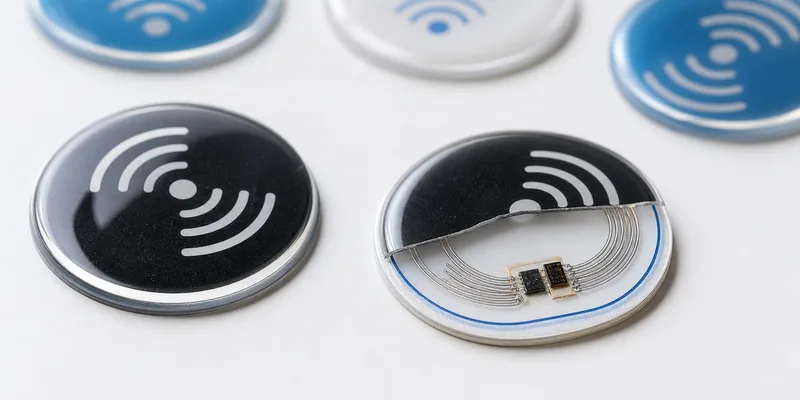
The Sourcing Checklist
Use this checklist before you confirm price, artwork, and production.
| Checkpoint | What to Confirm | Why It Matters |
|---|---|---|
| Application | Access control, NFC marketing, luggage ID, pet ID, membership, asset marking | The use case decides frequency, chip, shape, and attachment method |
| Frequency | LF, HF/NFC, or UHF | A tag that looks correct may still be incompatible with your reader |
| Chip | UID, memory, security, NDEF, rewritable or locked settings | Encoding and software compatibility depend on chip choice |
| Material | PVC/PET base, epoxy dome, adhesive, anti-metal layer if needed | Material affects durability, scan behavior, and surface fit |
| Logo color, QR/serial readability, edge alignment, color tolerance | Bad artwork control is visible immediately on small glossy tags | |
| Epoxy finish | Dome height, clarity, bubbles, scratches, overflow, edge sealing | The resin finish affects both appearance and field durability |
| Encoding | UID list, URL, NDEF record, serial number, password, lock plan | Data mistakes are costly after tags are shipped |
| QC and packing | Sample approval, batch test method, bag labels, carton labels | Good packing helps installation teams avoid mix-ups |
Confirm Frequency and Chip Before Artwork
Do not start with the tag shape only. Start with the reader and software. Smartphone projects usually need NFC compatibility. Existing access-control readers may need LF chips, MIFARE, NTAG, DESFire, or another credential type.
For NFC projects, memory size and lock settings matter. A short URL may fit a simple chip, while longer records or future rewrite plans may need more memory. If long read distance is requested, be careful: small epoxy tags do not behave like large UHF labels. WXR can help compare 13.56MHz RFID tags with other options when the reader system is not yet fixed.
Inspect the Epoxy, Print, and Mechanical Details
The resin dome is the part customers touch and see. A good sample should have a clear surface, even dome height, clean edges, no trapped bubbles, no dust under the resin, and no sharp overflow. On small logo tags, approve the printed color under normal indoor light, not only from a digital mockup.
Mechanical details matter too. For keychain tags, confirm hole diameter, hole position, ring hardware, tag thickness, and reinforcement around the hole. For adhesive tags, ask which surfaces the adhesive is designed for: plastic, glass, painted metal, rough equipment, or packaging.
For wet or outdoor use, do not treat "waterproof" as a complete specification. Ask whether the resin face, tag edge, adhesive, and chip package are suitable for your environment. For moisture, cleaning, or outdoor handling, compare waterproof RFID tags and request samples.
Test Samples on the Real Surface
RFID performance changes with surface material, tag orientation, reader power, phone model, and the distance between the chip and reader antenna. A tag that scans on a desk may scan poorly on a metal cabinet, curved bottle, thick key ring, or wet surface.
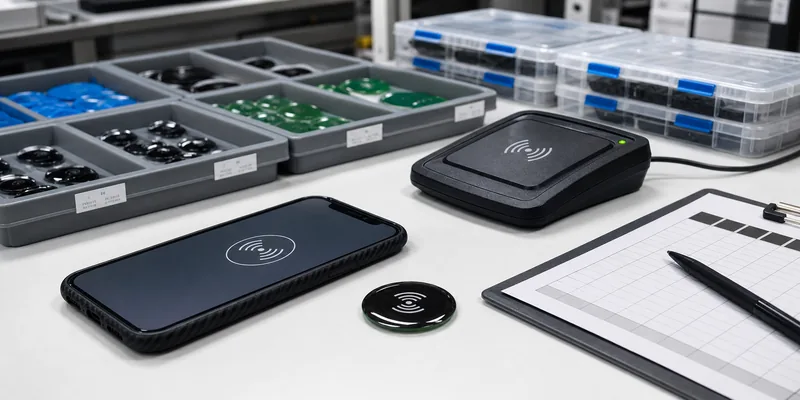
Run a simple sample test before you place a large order:
- Test tags made with the same construction you plan to buy.
- Scan with the actual phone, door reader, desktop reader, or handheld reader.
- Test on the final surface, not only in free air.
- Check normal user angles and orientations.
- Confirm encoded data, UID sequence, URL destination, and one approved factory reference sample.
If the tag must work on metal, request an anti-metal construction. The extra ferrite or anti-metal layer changes thickness and cost, but it may be necessary for reliable scanning. Compare anti-metal RFID tags early.
Control Encoding, Numbering, and Data Files
Encoding errors are harder to see than scratches. Before production, define the data for each tag: UID only, NDEF URL, app link, access credential, serial number, QR code, barcode, or printed human-readable number. The print file and encoding file should follow the same sequence.
For bulk RFID epoxy tags, ask how the supplier handles duplicates, failed writes, locked tags, and readback reports. When data is sensitive, confirm whether the supplier only needs encoded values or also needs passwords, keys, or system-side credentials. Do not share system secrets unless the process truly requires it.
Check Batch Consistency and Packing
Bulk orders fail when a good sample does not match the production batch. Before shipping, ask for finished-batch photos, random scan checks, and packing labels that match your installation plan. Tags for different branches, colors, or encoded ranges should not be mixed in one unmarked bag.
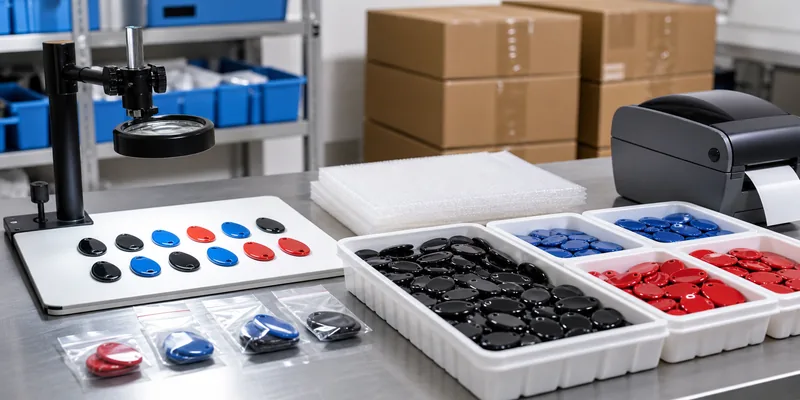
Useful packing checks include quantity per bag, serial range per bag, color or shape separation, carton labels, spare samples, and the encoded data list. If installers must match physical tags to software records, packing is part of quality control.
Questions to Ask an RFID Epoxy Tag Supplier
Before you approve a supplier, ask:
- Which frequency and chip fit my reader, phone, or access system?
- Can samples match the final material, chip, artwork, and epoxy finish?
- Can you print logo, QR code, UID, barcode, or serial number clearly at this size?
- Can you pre-encode data and provide a readback file?
- Do I need anti-metal material, stronger adhesive, or another structure for my surface?
- How are colors, codes, branches, or serial ranges separated during packing?
These questions matter because RFID epoxy tags sit between electronics, print production, and physical installation. A supplier must understand all three.
How WXR Supports Custom RFID Epoxy Tag Projects
WXR helps buyers define the tag before production: application, frequency, chip, shape, size, printing, epoxy finish, adhesive or keychain hardware, encoding, sample testing, and packing. If you are still comparing formats, review the basics of what RFID tags are before finalizing the epoxy version.
Not sure which RFID epoxy tag fits your project? Send WXR your application, reader or phone requirement, tag size, artwork, target surface, waterproof or anti-metal needs, encoding file, quantity, and packing plan. You can contact WXR to request samples or a quote before mass production.
FAQ
Many RFID epoxy tags have a resin surface that helps protect the print from daily moisture and handling. Full waterproof performance still depends on the tag body, edge sealing, adhesive, chip package, and installation environment.
There is no single best chip. NFC marketing tags often use NTAG or similar 13.56 MHz chips. Access-control tags may require LF, MIFARE, DESFire, or another compatible credential.
Standard NFC or HF epoxy tags often perform poorly on metal. If the tag will be mounted on metal, request an anti-metal version and test it on the final surface.
Yes. They can usually be customized with logo printing, QR codes, serial numbers, UID printing, and data encoding. The supplier needs clean artwork and a clear data file.
How many samples should I test before a bulk order?
Test enough samples to cover the main colors, chip types, surfaces, readers, and data formats. For access, payment, or multi-site installation, test more thoroughly before mass production.