RFID animal tags are not one product with one correct specification. A cattle project may need a durable electronic ear tag that works with a farm reader and traceability database. A pigeon club may need a small 134.2 kHz ring tag. A pet ID program may need an injectable microchip or a phone-readable NFC pet tag. The right choice depends on the animal, the read point, the local identification rules, and how the ID will be recorded after scanning.
This checklist is written for buyers comparing animal RFID tag formats before ordering samples or bulk production. It focuses on tag type, frequency, chip, material, reading workflow, marking, and sample testing. It does not replace veterinary, animal welfare, or national traceability requirements. Confirm those rules in your target market before ordering.
Match the Tag Format to the Animal and Read Scenario
For livestock identification, start with the animal species and the required reader system. Cattle, sheep, goats, and pigs often use RFID ear tags because the tag can carry both a visible number and an electronic ID. Pets and smaller animals may use glass microchips or compact tags because the device must be light and difficult to lose. Birds may need small ring tags rather than large ear tags.
If the project is mainly regulatory traceability, confirm the required standard first. ISO 11784:2024 defines the radio-frequency identification code structure for animals, while ISO 11785:2026 defines how the stored information is transferred between transponder and transceiver. For commercial farm operations, also confirm whether the local system requires LF 134.2 kHz, UHF, printed visual numbers, database registration, or approved tag suppliers.
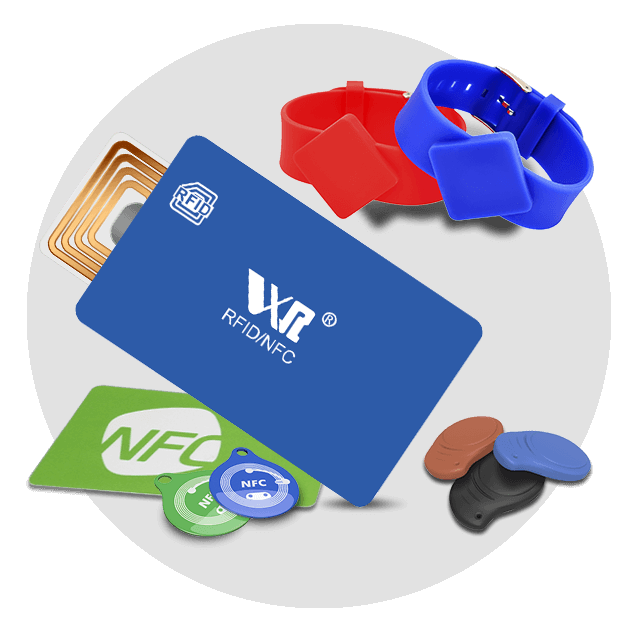
Common RFID Animal Tag Options
| Tag option | Best fit | Key details to confirm before ordering |
|---|---|---|
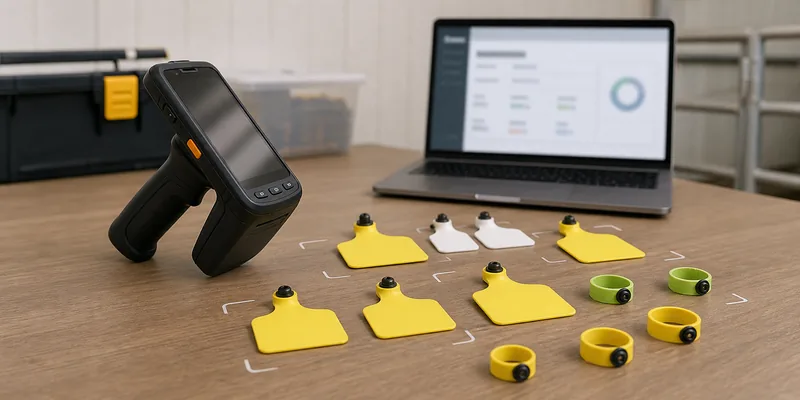
| 134.2 kHz livestock ear tag | Cattle, sheep, goats, pigs, and farm traceability | ISO 11784/11785 compatibility, visual number, ear tag size, applicator, reader compatibility, retention testing |
| UHF animal ear tag | Longer read zones for farm gates, pens, or group movement points | Regional UHF band, reader antenna position, animal orientation, tag durability, database workflow |
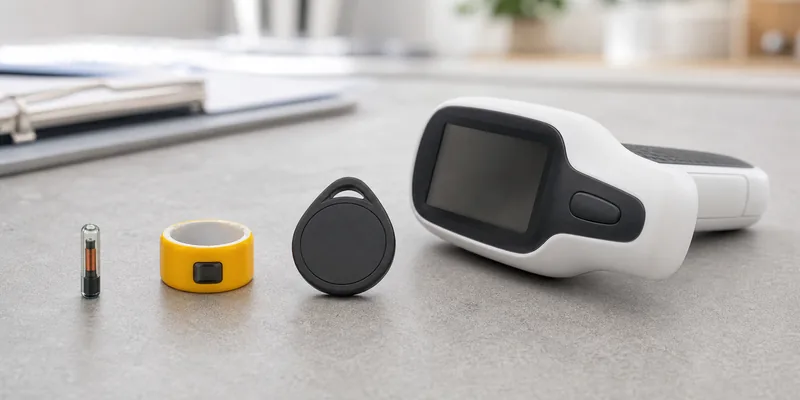
| RFID ring tag | Pigeons and small animals where a large tag is unsuitable | Inner diameter, weight, frequency, reader distance, comfort, and whether the ring can be safely fitted |
| Glass animal microchip | Pets and animals that need persistent individual ID | Chip, size, biocompatible material, sterilization, scanner compatibility, and who is qualified to implant it |
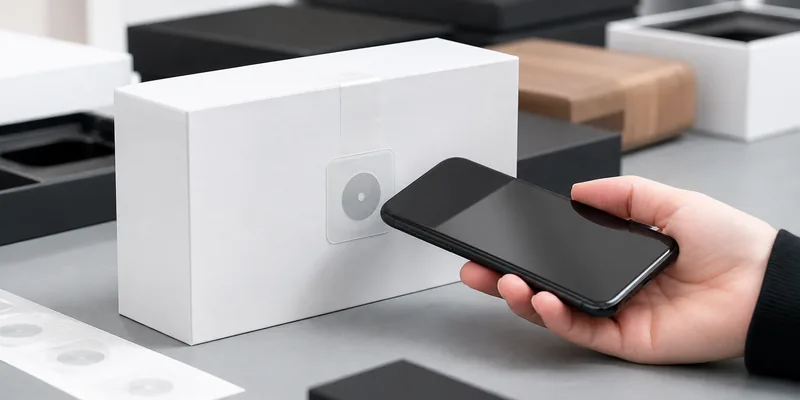
| NFC pet tag | Consumer-facing pet ID, URL profile, or owner contact workflow | Phone compatibility, URL/NDEF encoding, waterproof housing, QR backup, and privacy design |
Choose Frequency Before You Choose the Housing
Frequency determines what type of reader, antenna, and user behavior the project needs. Many animal identification systems use LF around 134.2 kHz because it is common in animal ID standards and short-range scanning. WXR’s animal RFID tags page includes examples such as 134.2 kHz ear tags, pigeon ring tags, and glass microchips, which are usually read at close range with a compatible scanner.
UHF is different. A UHF RFID tag can support longer read zones when the reader, antenna, tag orientation, and environment are designed together. That may help at a gate, lane, feeding station, or group movement point, but it also needs more careful testing. Animals move, turn, crowd, and block one another, so do not buy UHF tags based only on a catalog read range.
Do Not Ignore Visible Marking and Database Rules
An RFID number is only useful if the operator knows what to do after reading it. For livestock, the electronic ID often needs to match a visible management number, official animal number, or database record. Ask whether the tag must be printed with a serial number, barcode, QR code, farm code, or color code. Also decide who will encode the ID values and how duplicates will be prevented.
For pets and consumer-facing tags, privacy becomes more important. An NFC pet tag can open a URL or contact profile, but buyers should avoid exposing private owner data without consent. Use a controlled landing page, update process, and backup QR or printed ID if phone scanning is part of the workflow.
Material and Attachment Questions Buyers Should Ask
Animal tags face rougher conditions than many warehouse labels. They may be exposed to mud, rain, cleaning chemicals, biting, rubbing, sunlight, cold storage, transport, and repeated scanning. Before ordering, describe the real environment instead of asking only for a product name.
- What species and age group will use the tag?
- Will the tag be attached to an ear, leg, collar, cage, or implanted by a qualified professional?
- Is the tag expected to stay on the animal for one season, multiple years, or the animal’s lifetime?
- Will the tag need printed visual ID, laser numbering, QR code, or color coding?
- Will readers be handheld, fixed at a gate, installed at a feeding station, or integrated with software?
- Does the project require official approval, a specific numbering authority, or compliance with animal identification standards?
For rugged farm use, an RFID tag with waterproof housing or sealed structure may be necessary. For small animals, weight and comfort matter more than long read range. For metal cages or harsh equipment areas, avoid assuming a normal RFID label will work just because it reads well on a desk.
Sample Testing Plan Before Bulk Orders
A good sample test is simple, repeatable, and close to the real workflow. Test the tag with the reader model, antenna position, animal movement pattern, and database software that the project will use. If live animal testing is required, follow local welfare rules and involve qualified staff.
- Prepare 10 to 30 sample tags with unique IDs and a clear test sheet.
- Scan each tag before attachment to confirm encoding and reader compatibility.
- Test the normal scan distance and the worst realistic angle.
- Check whether nearby animals, metal rails, water, body position, or crowding affects reads.
- Export read data and confirm the software receives the correct ID format.
- Inspect printed numbers, QR codes, and visual readability after handling.
- Record failures by cause: tag damage, weak read, duplicate ID, software mismatch, or operator error.
For fixed reader projects, test both single-animal and group movement. A tag that reads well one at a time may behave differently when several animals pass a gate together. For handheld scanning, check whether workers can scan comfortably without forcing unsafe animal handling.
What to Send WXR for a Faster Recommendation
When asking WXR for animal RFID tag samples, send more than the keyword “RFID animal tags.” A useful request includes the animal type, country or market, required frequency, reader model, expected read distance, tag format, printing or encoding needs, quantity, and the test environment. If you are comparing LF and UHF, say whether the goal is official ID, farm management, long-range gate reading, pet recovery, or consumer-facing pet information.
WXR can help compare animal RFID tag formats, LF RFID tag options, UHF animal ear tags, and compact small RFID tags for different identification workflows. Final specifications should be confirmed with samples, not only with a catalog description.
Procurement Checklist
- Target animal species and age group
- Required standard or local identification rule
- Frequency: LF 134.2 kHz, UHF, NFC, or another system
- Chip model, memory, and encoding format
- Tag format: ear tag, ring tag, glass microchip, collar tag, or NFC pet tag
- Reader model, antenna position, read distance target, and scan workflow
- Visible marking: serial number, farm code, QR code, barcode, or color
- Durability needs: water, mud, sunlight, temperature, cleaning, biting, rubbing
- Packaging, numbering sequence, and duplicate-ID prevention
- Sample test plan and acceptance criteria before bulk production
FAQ
No. A pet microchip is one type of animal RFID transponder, usually designed for close-range scanner identification. Livestock RFID ear tags, ring tags, UHF ear tags, and NFC pet tags are different formats for different workflows.
LF around 134.2 kHz is common for animal ID standards and close-range scanning. UHF can support longer read zones but needs careful reader, antenna, orientation, and environment testing. The right choice depends on compliance requirements and the reading workflow.
Encoding requirements should be confirmed for each project. Send the chip, numbering format, database rule, and duplicate-prevention requirement so WXR can check whether pre-encoding and printed matching numbers are suitable.
How should I test animal RFID tag samples?
Test samples with the actual reader, software, scan distance, and movement pattern. Record weak reads, duplicate IDs, visual marking issues, and operator handling problems before approving bulk production.
Yes, NFC pet tags can support URL or phone-readable information workflows, but they are not the same as official implanted microchips. Use privacy controls, a QR backup if needed, and confirm whether phone scanning fits the use case.
Conclusion
The best RFID animal tag is the one that matches the animal, the rule, and the scan workflow. Start with the required identification standard, then choose the physical format, frequency, chip, marking method, and sample test. If you are not sure whether an ear tag, ring tag, glass microchip, UHF tag, or NFC pet tag fits your project, contact WXR with your application details and sample testing plan.