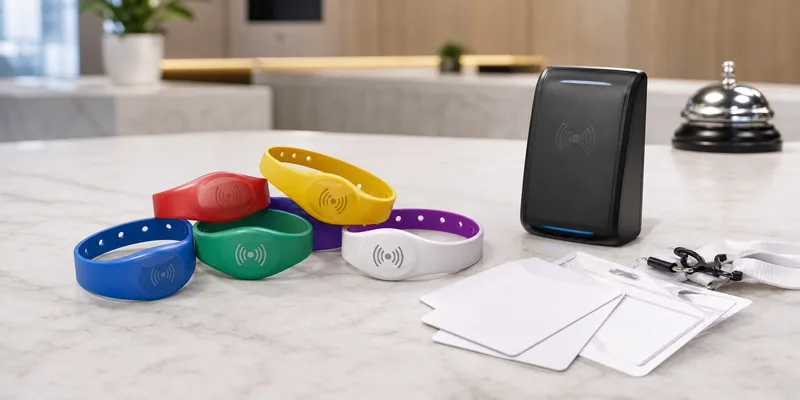
RFID PVC wristbands are a practical credential format when a project needs something more structured than a paper event band but not necessarily as long-term as a molded silicone wristband. Hotels, visitor centers, leisure venues, ticketing teams, schools, and controlled-access programs often consider PVC wristbands because they are smooth, printable, easy to issue, and available with different RFID chip options.
The important point is that the material name alone does not make the project work. A PVC wristband still has to match the reader frequency, chip family, encoded data format, wearing duration, closure method, water exposure, and issuing workflow. Before ordering in bulk, treat the wristband as a complete access credential, not a plastic strap with a chip inside.
When RFID PVC wristbands make sense
PVC RFID wristbands usually fit short-to-medium-term identification workflows where the buyer wants a cleaner, more structured appearance than disposable paper wristbands. Common examples include hotel guest access, visitor control, leisure venue admission, lockers, indoor ticketing, seasonal passes, school trips, conferences, and temporary staff credentials.
They can also be useful when the wristband needs surface area for logo printing, color coding, QR codes, serial numbers, or visible batch marks. Compared with cards or key fobs, a wristband stays on the user. Compared with fabric, PVC often gives a flatter printable surface and a more formal look.
Still, the final choice depends on the real environment. For heavy pool use, long-term membership, or repeated sanitizing, ask for samples and compare PVC with silicone RFID wristbands before approving production.
PVC wristbands vs paper, fabric, and silicone
| Wristband format | Better fit | What buyers should confirm |
|---|---|---|
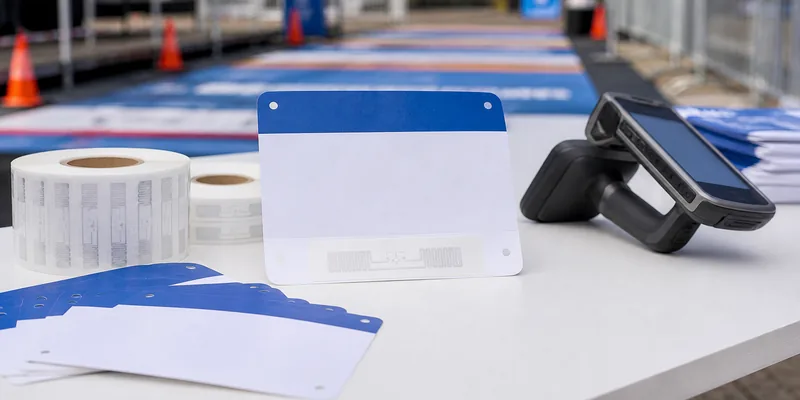
| Paper or Tyvek-style RFID wristbands | One-day or short event admission, fast issue, disposable visitor ID | Tear resistance, print method, closure security, water exposure, chip placement |
| Fabric RFID wristbands | Festivals, VIP access, brand-heavy events, multi-day wear | Locking slider, full-color artwork, chip housing, tamper control, wearer comfort |
| PVC RFID wristbands | Hotels, ticketing, visitor control, indoor access, short-to-medium-term identification | PVC thickness, closure, print area, chip compatibility, comfort, expected wear duration |
| Silicone RFID wristbands | Resorts, gyms, pools, memberships, repeated daily use | Reuse plan, cleaning process, fit, water exposure, logo method, chip encapsulation |
This comparison is not a universal ranking. The right format is the one that fits the project workflow, wear duration, environment, and issuing process.
Start with reader and chip compatibility
For access control and ticketing, compatibility is the first specification. Do not order by saying ?13.56 MHz wristband? or ?125 kHz wristband? only. Ask the integrator or software vendor for the reader model, supported frequency, chip family, protocol, UID format, memory requirements, and encoding rules.
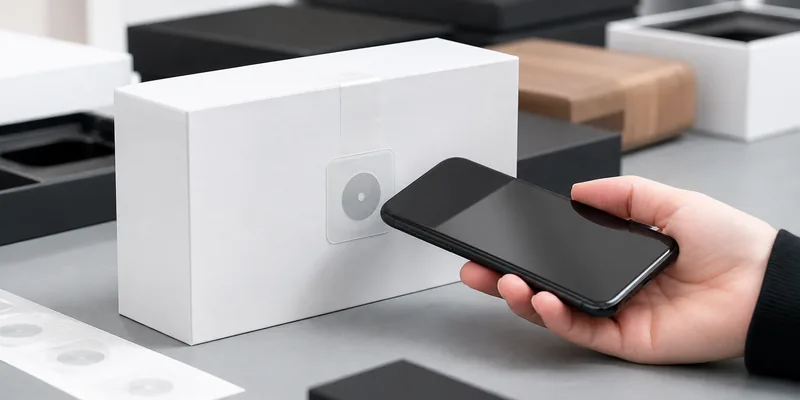
PVC wristbands can be made for different RFID systems, but LF, HF/NFC, and UHF do not read the same way. LF 125 kHz is common in older access systems. HF 13.56 MHz is common for MIFARE-type access, hotel locks, membership, NFC-related workflows, and short-range tap use. UHF is more common when the reader needs longer-range identification, but it is not usually the first choice for normal door tapping.
If the site already uses RFID cards or key fobs, test a wristband sample against the actual reader. Frequency is only one layer; some systems require a specific chip, facility code, sector setup, encrypted application, or encoded value.
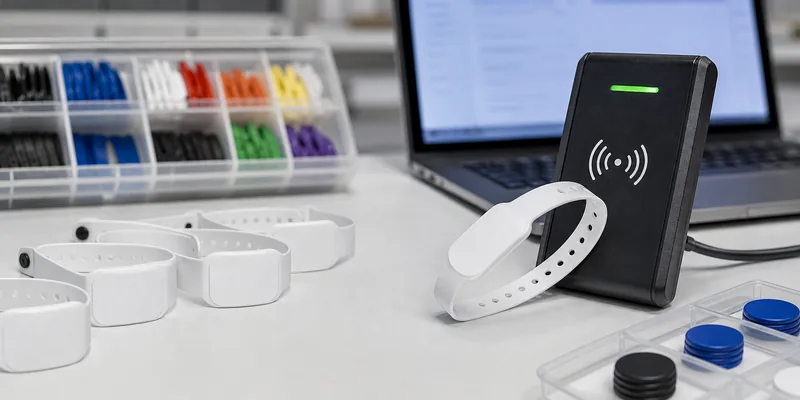
Specify the physical wristband, not just the chip
The physical format affects daily use. Before requesting a quote, decide the wristband size range, adult or child fit, closure type, color, surface finish, print position, and whether users will wear the band for hours, days, or repeat visits.
PVC wristbands may use adjustable holes, snap closures, or other fastening styles depending on the design. For a visitor program, removal and reissue may be acceptable. For ticketing or controlled entry, the buyer may need stronger tamper control. For hotels and leisure venues, comfort and skin contact matter because the guest may wear the band across a full stay.
Also check how the wristband will be issued. Front desks, ticketing gates, and visitor-management teams may need color groups, scan order, or printed serial numbers that match a database.
Printing, QR codes, serial numbers, and encoding
RFID PVC wristbands are often purchased because they can carry visible identity marks as well as RFID data. Common customization options may include logo printing, color selection, serial numbering, QR code or barcode printing, and data encoding. Confirm these options with the supplier instead of assuming every design supports every print method.
The visible number and the RFID data should be planned together. If the software imports a batch file, decide whether each row maps UID, printed serial number, guest number, room group, ticket type, or another approved identifier. If the wristband is pre-encoded before delivery, give the supplier a clean encoding file and ask for a sample data report or scan list.
A good-looking wristband with the wrong UID mapping is still a failed credential. Approve artwork, chip, encoding file, and packaging order together before mass production.
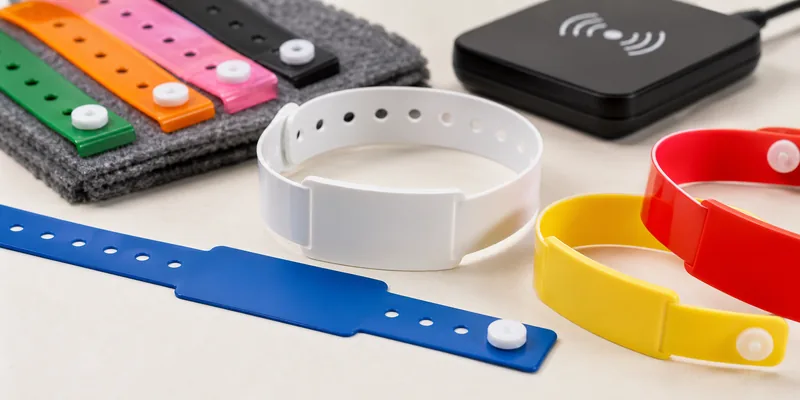
Sample testing plan before bulk order
Sample testing should use the real reader, actual software, normal issuing process, and a few real wearing conditions. A bench scan is useful, but it does not prove that the wristband works at the hotel desk, locker gate, turnstile, or visitor checkpoint.
- Reader recognition: scan each sample with the installed reader or lock.
- Data behavior: confirm UID or encoded data appears correctly in the software.
- Wearing comfort: check fit, edge feel, closure behavior, and removal process.
- Print durability: rub, bend, and handle the printed area as users would.
- Water or sweat exposure: test only against the actual environment, and do not assume a rating that has not been confirmed.
- Packaging workflow: verify count, color order, serial order, and batch labels before production.
If the project has more than one reader type, test all of them; locks, lockers, POS terminals, and gates can behave differently.
RFQ checklist for RFID PVC wristbands
Before contacting a manufacturer, prepare a short specification sheet:
- Application: hotel, visitor control, ticketing, locker, membership, school, or other use.
- Reader system: reader brand/model, frequency, protocol, and software rules.
- Chip requirement: exact chip family or approved alternatives.
- Data requirement: UID only, custom encoding, serial matching, QR/barcode, or batch file.
- Wristband design: size, color, closure, print area, surface finish, and wearer group.
- Environment: indoor/outdoor use, water exposure, sweat, cleaning, storage, and expected wear duration.
- Packaging: bulk bags, color groups, serial order, room/ticket batches, or individual packing.
- Testing plan: sample quantity, real reader test, approval criteria, and failure handling.
This information lets the supplier recommend a wristband construction and chip option instead of guessing from a keyword.
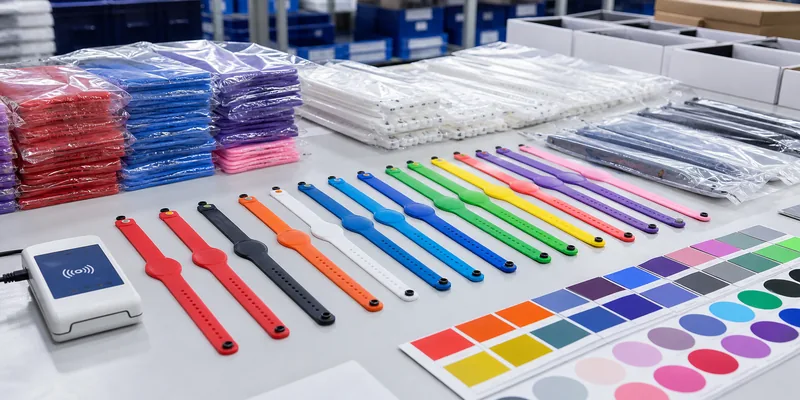
How WXR can support custom RFID PVC wristband projects
WXR supplies custom RFID and NFC products for project buyers, distributors, and system integrators. For wristband projects, WXR can help compare RFID wristband formats, chip options, printing, numbering, encoding, sample preparation, and packaging requirements based on the buyer?s application.
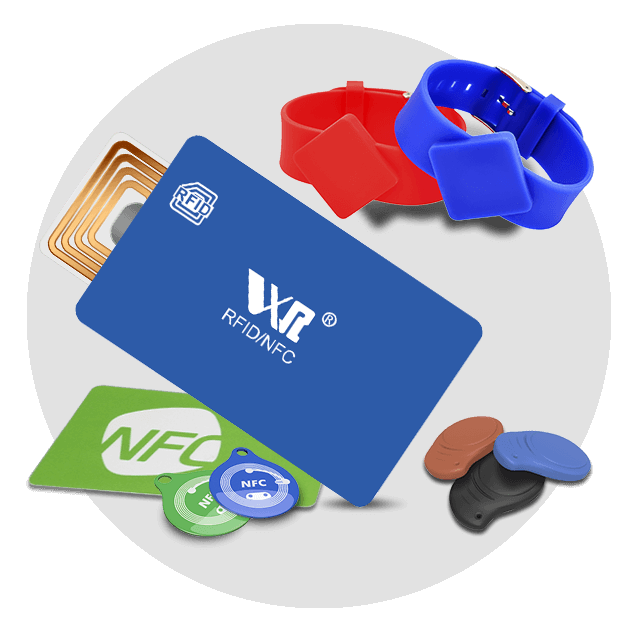
If you are still comparing wristband types, review WXR?s RFID wristbands category page and the broader guide to LF, HF, and UHF frequency differences. For projects that use RFID cards or alternative access credentials, compare RFID cards and RFID key fobs as well.
Need a PVC wristband sample for a hotel, visitor, or ticketing project? Contact WXR with the reader model, frequency, chip requirement, artwork, data file, quantity, and test environment. The team can help prepare samples before you approve mass production.
FAQ
Are RFID PVC wristbands waterproof?
They may tolerate some moisture depending on construction, but do not assume a waterproof rating without supplier confirmation. If the wristband will be used in pools, showers, resorts, or heavy sweat conditions, test samples and compare PVC with silicone RFID wristbands.
Which chip should I choose for RFID PVC wristbands?
Choose the chip that matches the installed reader and software. Confirm frequency, protocol, chip family, UID or memory requirements, and encoding format before ordering.
Are PVC RFID wristbands better than paper wristbands?
PVC is often more structured and suitable for cleaner visitor or hotel presentation. Paper wristbands may be better for low-cost disposable event admission. The better choice depends on wear duration, security, and issuing workflow.
Can RFID PVC wristbands be printed and encoded before shipping?
Many custom projects can include printing, serial numbering, QR or barcode printing, and data encoding, but the exact options depend on the wristband design and chip. Confirm artwork and encoding files before production.
What should I test before buying in bulk?
Test reader recognition, software data mapping, wearing comfort, closure strength, print durability, expected water or sweat exposure, and packaging order using the real project environment.