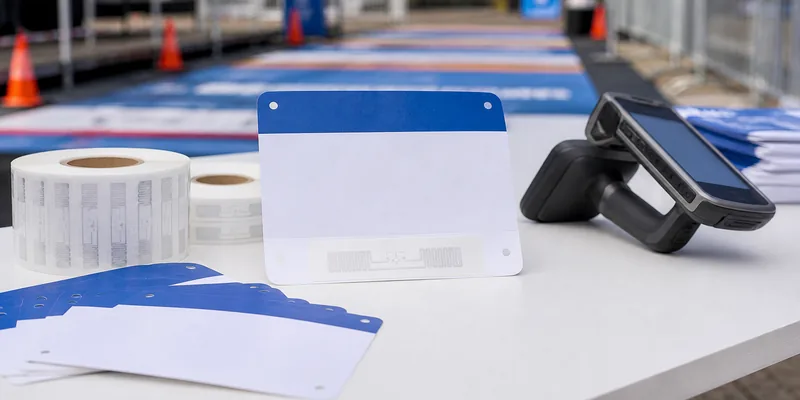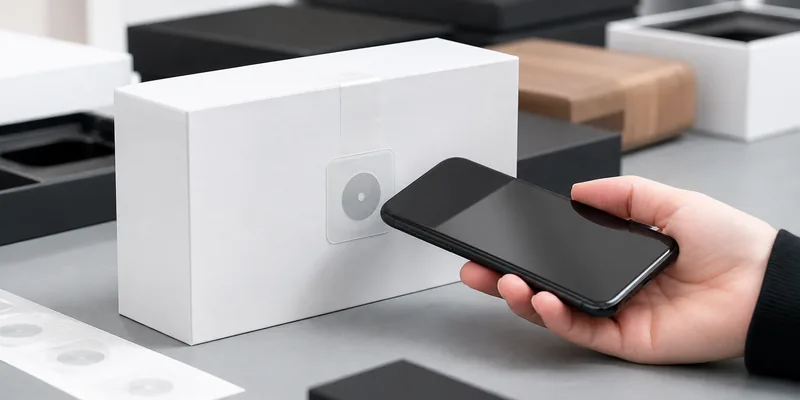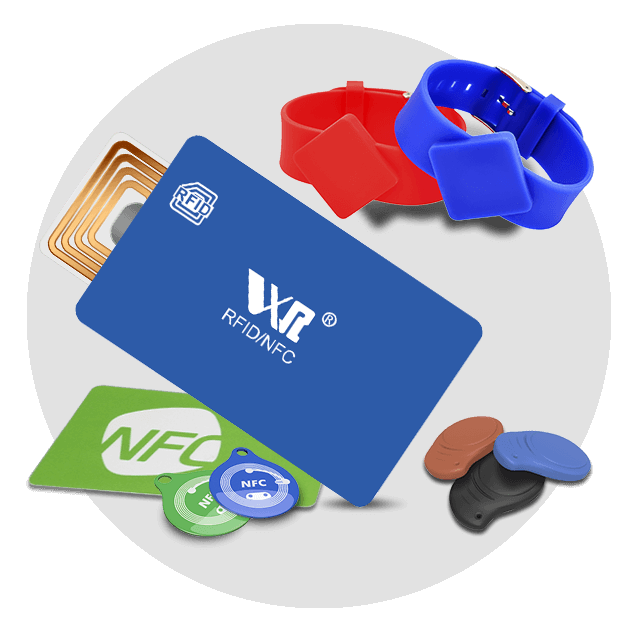

RFID windshield tags are usually a good fit when vehicles need to pass a parking gate, residential entrance, fleet yard, campus checkpoint, or secured facility without stopping for manual ID checks. For most long-range vehicle access projects, buyers evaluate UHF RFID windshield labels or vehicle tags because they can be read from a controlled lane when the reader, antenna, tag position, and vehicle speed are designed together.
A windshield tag is not just a sticker with a chip inside. It has to survive heat behind glass, stay attached to a curved surface, avoid interference from the vehicle body and windshield coating, and match the access-control software’s credential format. The right sample is the one that reads consistently on your actual vehicle lane, not the one with the longest advertised distance.
Use RFID windshield tags when the project needs vehicle identification rather than person identification. Common examples include employee parking, gated communities, logistics yards, rental fleets, car dealerships, campus parking, warehouse entrances, and restricted service areas.
Compared with cards, key fobs, or QR passes, a windshield tag can reduce handling at the gate. The driver does not need to lower the window or present a card to a reader. Compared with license plate recognition, RFID can be useful when lighting, dirt, plate angle, or privacy requirements make camera-only identification difficult.
For projects that need a purpose-built vehicle credential, start with RFID vehicle tags and then confirm whether a windshield label, headlamp label, hanging tag, license-plate tag, or rigid outdoor tag is the better format.
UHF, HF, Or LF: Which Frequency Fits Vehicle Access?
Most parking and fleet lanes that need hands-free reading start with 860-960MHz UHF RFID tags. UHF is commonly used for longer read zones and multi-tag reading, but the result depends on the reader power, antenna position, tag orientation, windshield glass, lane width, vehicle speed, and local frequency rules.
HF or LF credentials can still make sense for close-range systems, hotel parking linked to room cards, membership cards, or existing access-control readers. The tradeoff is read distance. If the driver must stop and tap or present a credential, the system behaves more like normal access control than automatic vehicle identification.
If you are not sure which frequency to use, compare the vehicle workflow against WXR’s guide to LF, HF, and UHF frequency differences. Do not mix frequencies only because a tag looks convenient; reader compatibility comes first.
Windshield Tag Options To Compare
| Tag option | Best fit | What to confirm before ordering |
|---|---|---|
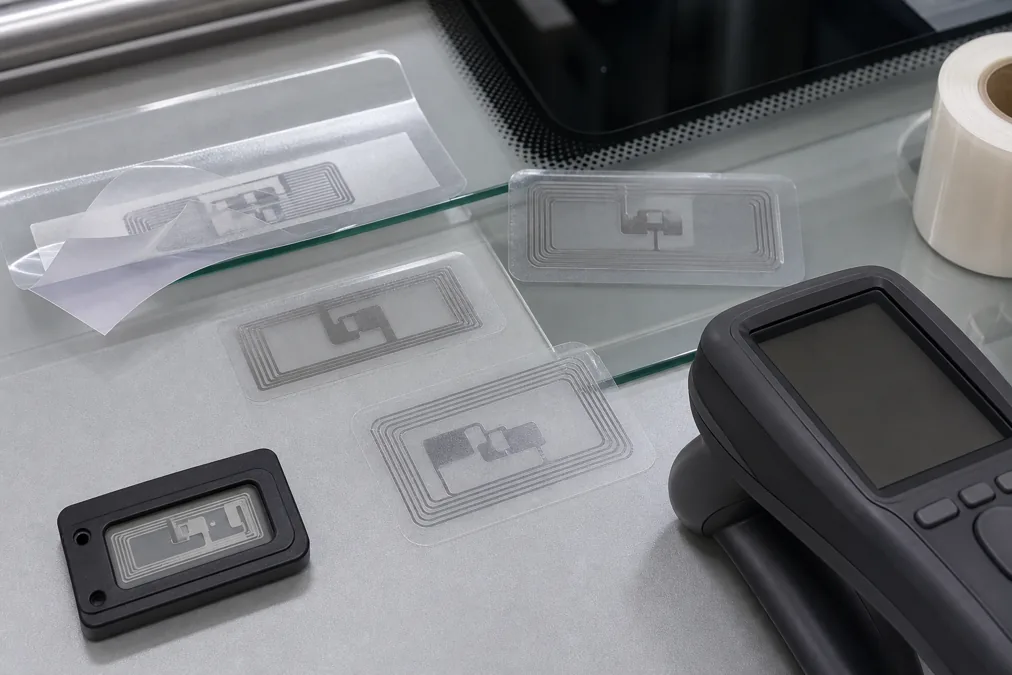
| Transparent UHF windshield label | Parking lots, gated communities, fleet lanes, campus entrances | Glass compatibility, adhesive, anti-transfer design, antenna size, lane read test |
| Printable RFID windshield sticker | Projects needing logo, ID number, QR code, or visible permit design | Printing method, serial matching, adhesive liner, heat exposure, encoding file |
| Headlamp or exterior vehicle label | Vehicles with coated windshields or poor interior read results | Outdoor durability, UV exposure, wash resistance, mounting area, tamper risk |
| Rigid vehicle tag | Rougher environments, yards, trucks, trailers, reusable fleet assets | Housing material, fixing method, weather exposure, reader angle, replacement process |
| Card, fob, or wristband credential | Low-speed entry where the driver can present an ID manually | Existing reader frequency, user workflow, credential handoff, loss management |
The Windshield Is Part Of The RFID System
Windshield glass is not neutral in every vehicle. Curvature, tinting, heating wires, embedded coatings, and mounting angle can affect read performance. Some vehicles also have designated RF-friendly areas near the rear-view mirror. If the windshield blocks or weakens the signal, an exterior tag or different placement may perform better than forcing the same label onto every vehicle.
During sample testing, apply tags where they will actually be installed. Do not test a loose label on a desk and assume the same result after it is stuck to glass. Also check driver visibility and local rules about windshield stickers before choosing size and position.
Encoding And Credential Control Matter
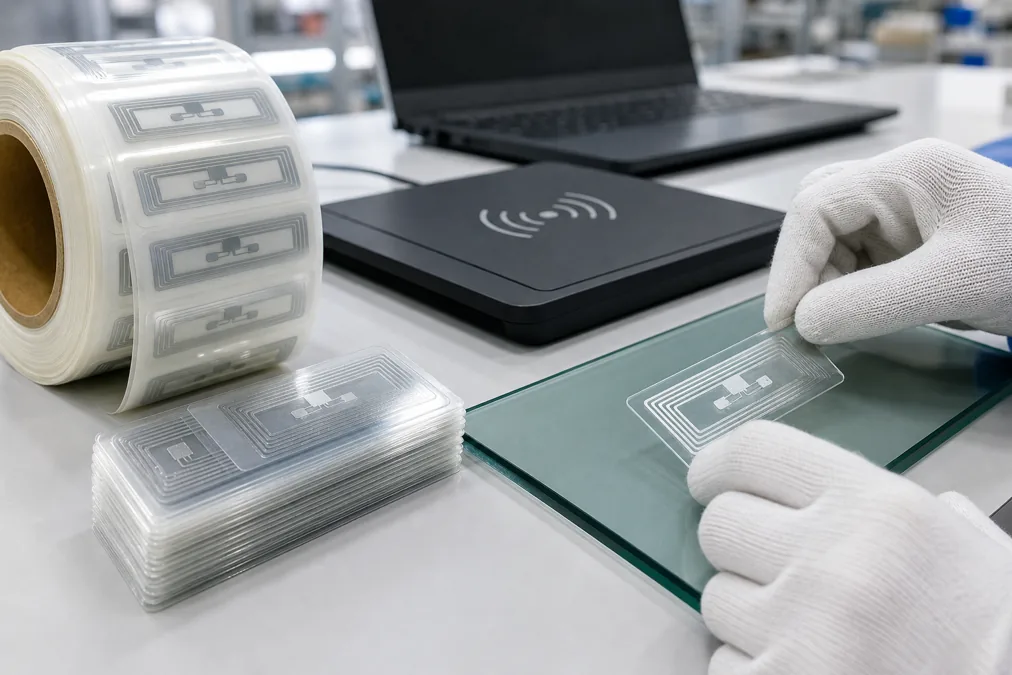
The access system needs a clean credential plan before tags are produced. Decide whether each tag will use an EPC, serial number, facility code, printed ID, QR code, or another value required by the software. The visible number and encoded value should come from one master file so operators can disable, replace, or audit a tag later.
For parking and fleet projects, many buyers ask WXR to support custom printing, serial numbering, QR or barcode printing, chip selection, and pre-encoding. If tags will be issued to residents, staff, contractors, visitors, or vehicles in different access groups, prepare that data structure before mass production.
Lane Testing Checklist Before Rollout
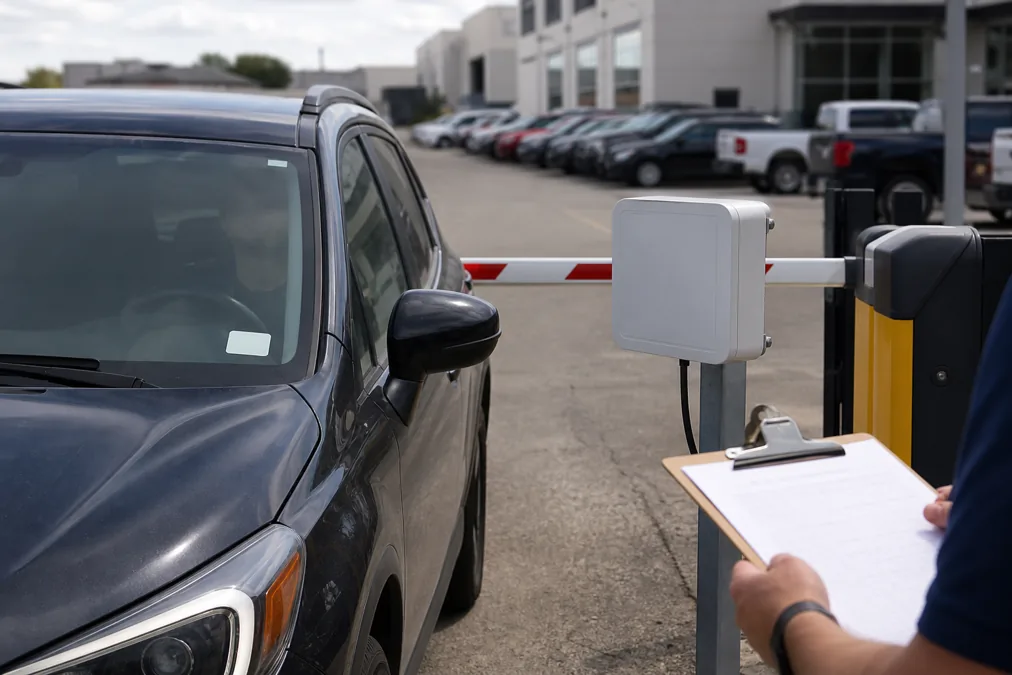
- Test real vehicles, not only one sample windshield.
- Place the reader antenna where it sees the tag before the vehicle reaches the barrier.
- Check entry and exit lanes separately; they may need different antenna angles.
- Test slow approach, normal approach, stop-and-go traffic, and tailgating scenarios.
- Confirm that the reader does not open the gate for vehicles in the wrong lane.
- Record missed reads, duplicate reads, and reads from parked vehicles nearby.
- Test after heat exposure, cleaning, car washing, and repeated sun exposure when those conditions matter.
- Confirm how lost, damaged, transferred, or expired tags will be disabled.
Common Procurement Mistakes
The most common mistake is buying by read range alone. A long-range tag can still fail if the antenna points at the wrong area, the windshield coating blocks the signal, or the software accepts duplicate credentials.
Another mistake is treating the tag as a generic label. Vehicle access tags often need stronger adhesive, temperature tolerance behind glass, a controlled visual design, and sometimes tamper-evident or anti-transfer construction. If a tag can be peeled off and moved to another vehicle without detection, the access policy may fail even when the RFID read performance is good.
Finally, do not leave replacement logic until after launch. Parking operators need a simple process for adding new vehicles, replacing damaged windshields, revoking former employees, and handling temporary visitor access.
WXR can help buyers compare RFID windshield labels, RFID stickers, access-control RFID tags, long-range UHF vehicle tags, and custom printed vehicle credentials. For a useful recommendation, send vehicle photos, lane width, reader model, target read distance, mounting position, chip or encoding requirement, printing artwork, quantity, and sample-testing conditions.
If the project includes a parking platform or fleet access-control system, share the required credential format before ordering. WXR can then prepare sample tags for testing instead of guessing from a generic product name.
FAQ
Not always. A windshield tag may need a specific antenna design, adhesive, heat resistance, visual layout, and tamper-control behavior for vehicle glass. A normal RFID sticker that works on a carton or document may not be the right choice for a parking lane.
How far can an RFID windshield tag be read?
Read distance depends on tag design, reader power, antenna placement, windshield material, vehicle speed, region frequency, and lane environment. Test samples in the real lane before setting a production specification.
Sometimes, but coated or metalized glass can reduce performance. Test the exact vehicle models. If the windshield blocks the signal, compare a headlamp label, exterior tag, or rigid vehicle tag.
Can the tag be printed with a logo, number, QR code, or barcode?
Yes, custom printing is common for parking permits and fleet credentials. Confirm the artwork, serial-number file, encoded value, and database import format before production.
What should I send before requesting a quote?
Send the application, vehicle type, mounting position, reader model, lane layout, required read distance, chip or protocol requirement, printing needs, encoding file, quantity, and test environment. That information helps WXR recommend the right sample set.